
ADDISON ROWE GALLERY EXHIBITIONS
A Destination Dedicated to the Finest Works of American Modernism
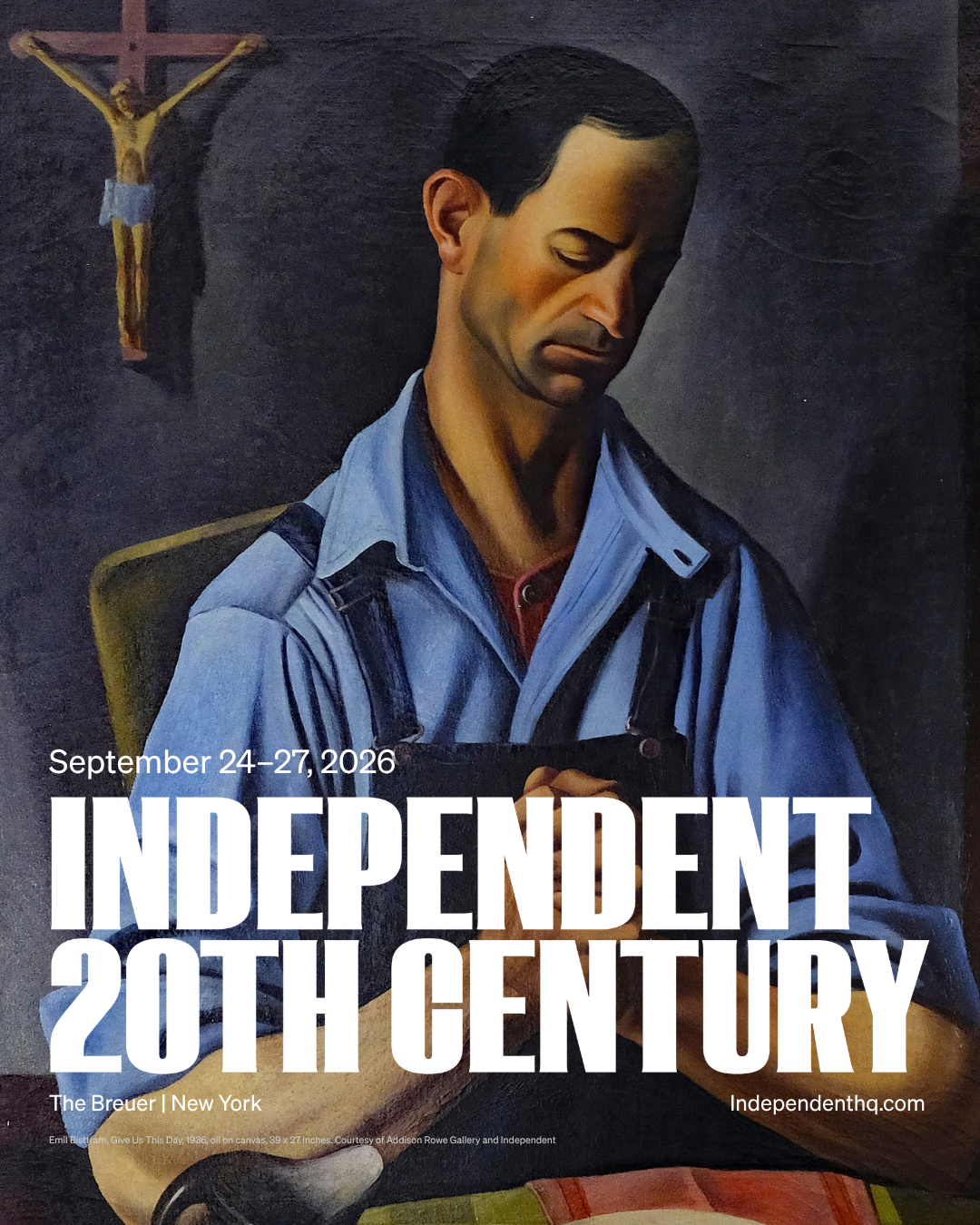
Addison Rowe Gallery Presents:
Emil Bisttram A Chronological Vision
Independent 20th Century
Booth 504
September 24 - 27, 2026
The Breuer
945 Madison Avenue
New York, NY 10021
Addison Rowe Gallery presents Emil Bisttram (1895–1976) at Independent 20th Century 2026!
Emil Bisttram is a pioneering American Modernist, educator, and co-founder of the Transcendental Painting Group. His exploration of abstraction, spirituality, and geometric form remains one of the defining contributions to the history of American Modernism.
FORMER EXHIBITIONS
Gallery Highlights
May - July, 2026

Sharing an Artistic Narrative
March 2026
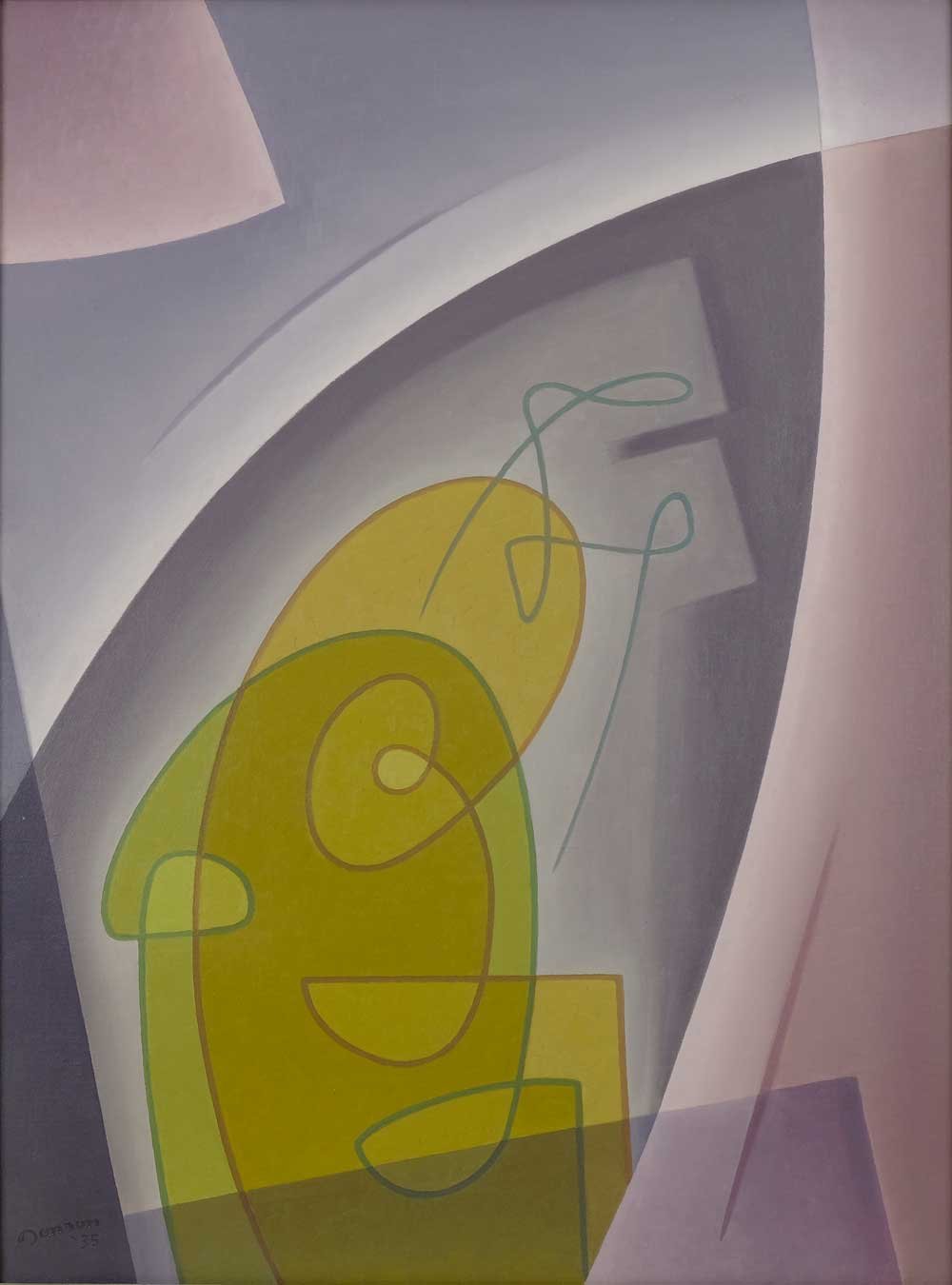
Addison Rowe Gallery at Independent 20th Century
September 04 - 07, 2025
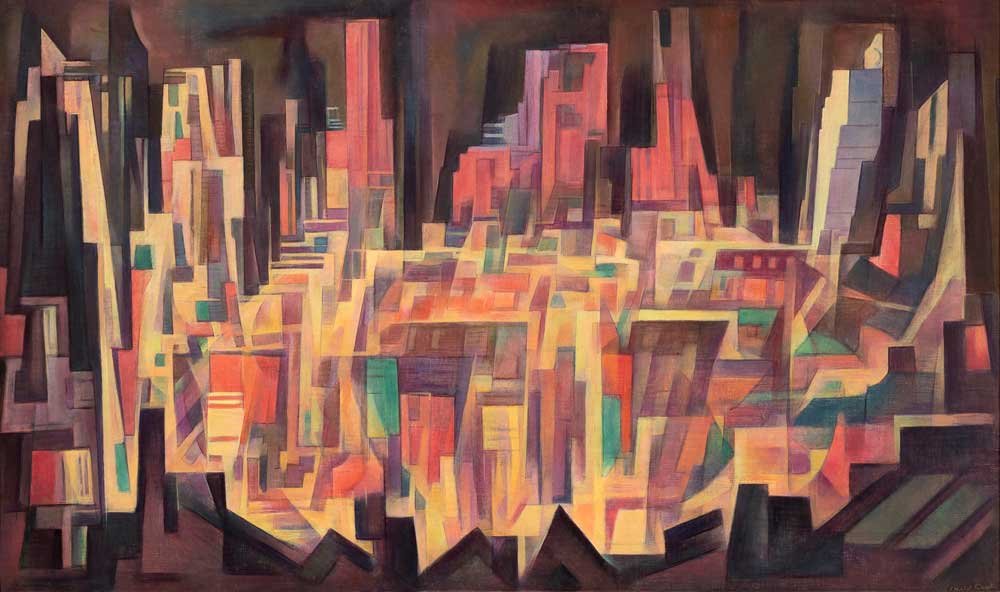
Addison Rowe Gallery at EXPO Chicago
April 2025

Addison Rowe Gallery at Scottsdale Ferrari Art Week
March 2025
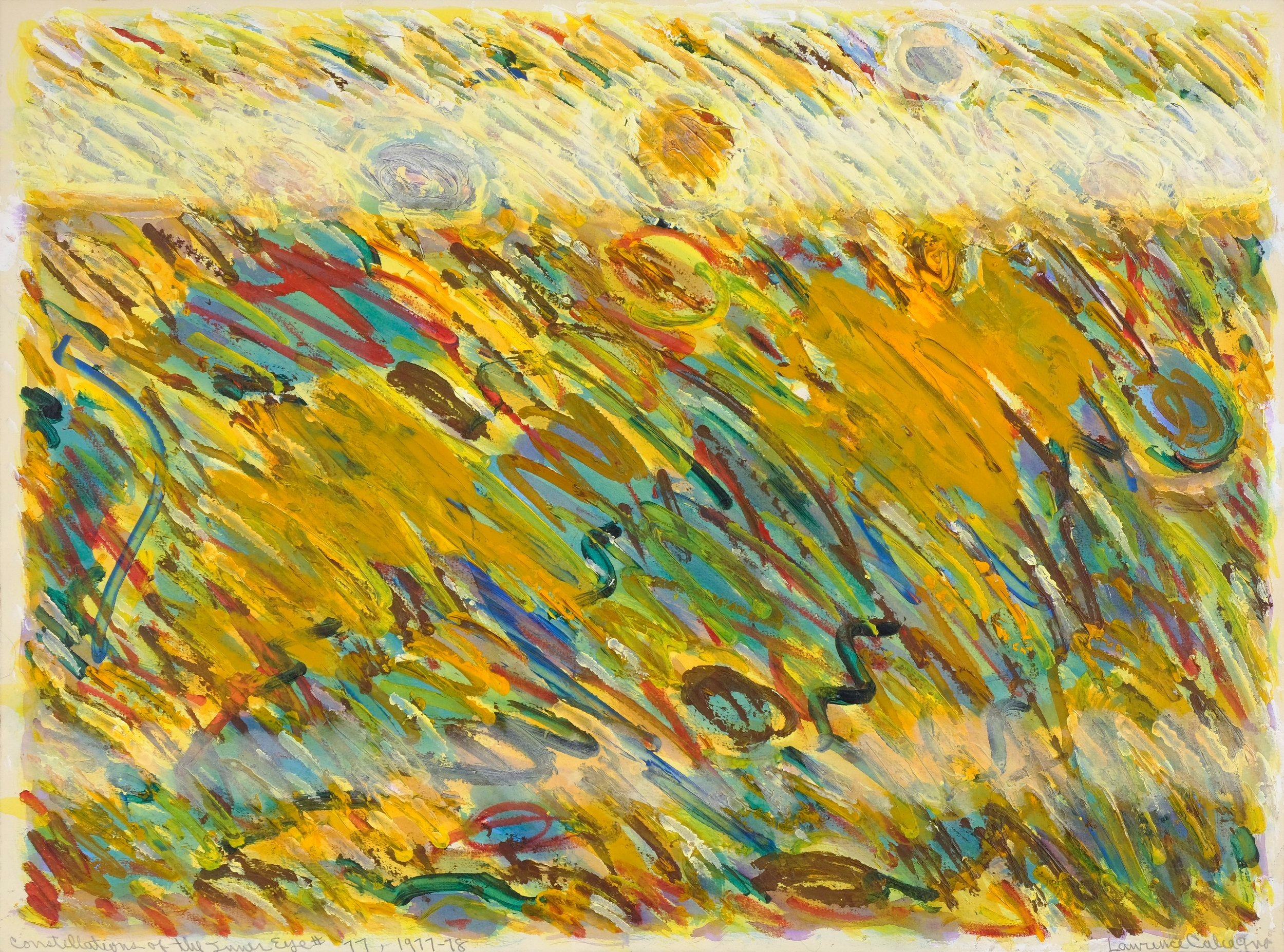
Lawrenece Calcagno - Color and Light
December 2024

Transcendental and Beyond: The Essence of Art
June 2024

Andrew Dasburg, Symphonic Drawings
January 2024

Werner Drewes And His Influence on Geometric Abstraction
September 2023

The American Art Fair - New York
May 2023

Addison Rowe Gallery Intersect Palm Springs
February 2023

Jonson, Bisttram and Pierce: Pure Color and Form
February 2023

Addison Rowe Gallery at Art on Paper
September 2022
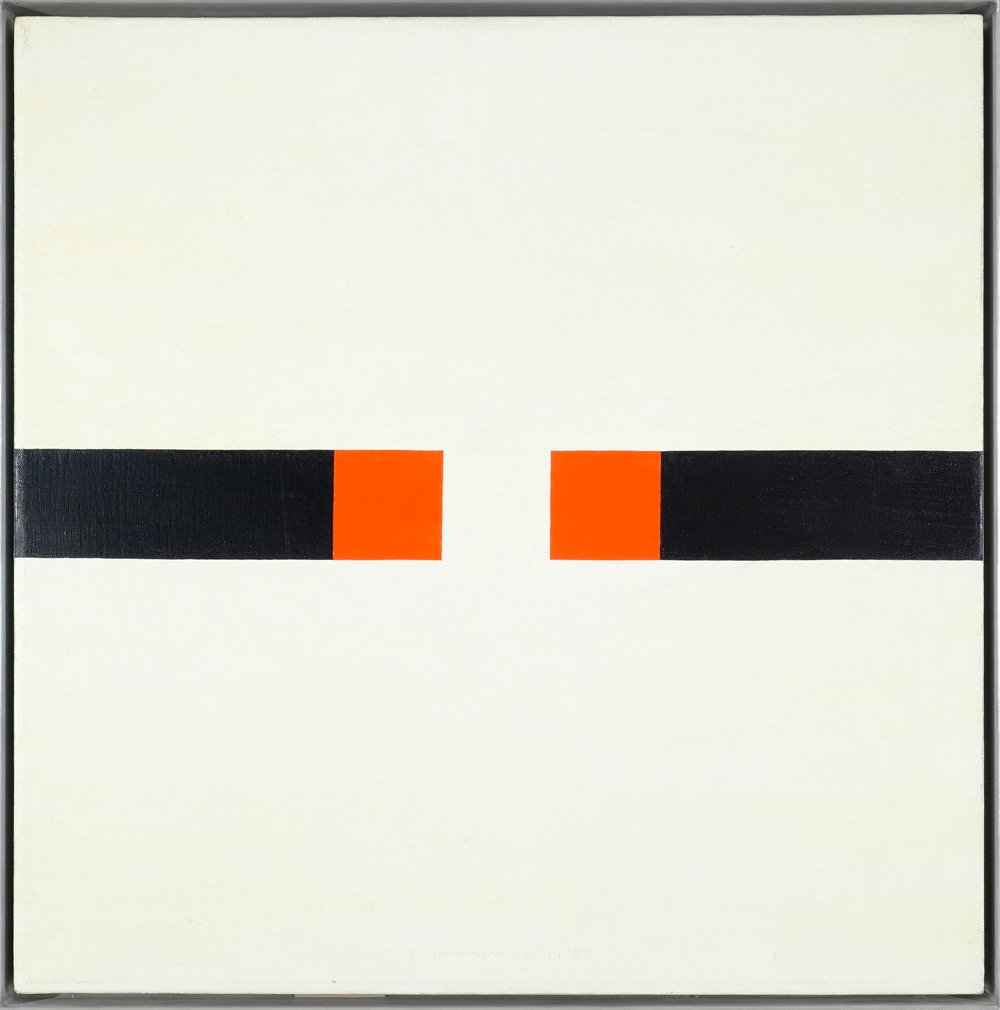
Circles and Squares
March 2022

The Color of Form
September 2021

Agnes Martin and Her Circle
March 2021

Florence Miller Pierce: Mastering the Art of Resin
October 2020
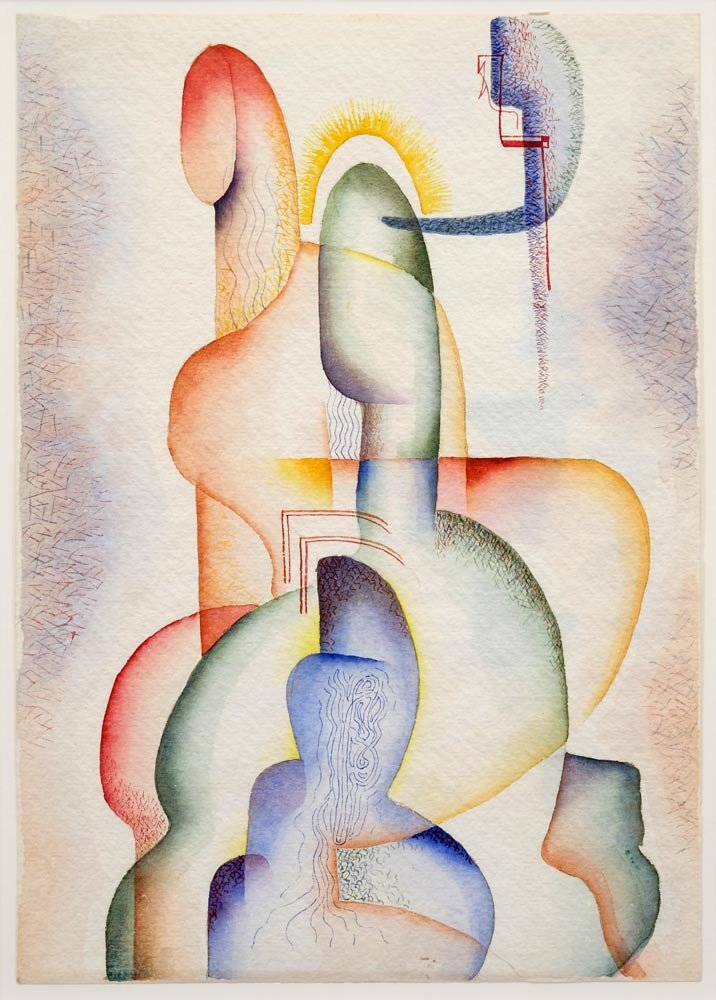
Addison Rowe Gallery at Art on Paper
March 2020

Gallery Highlights
January 2020

Jackson Hole Art Fair
September 2019
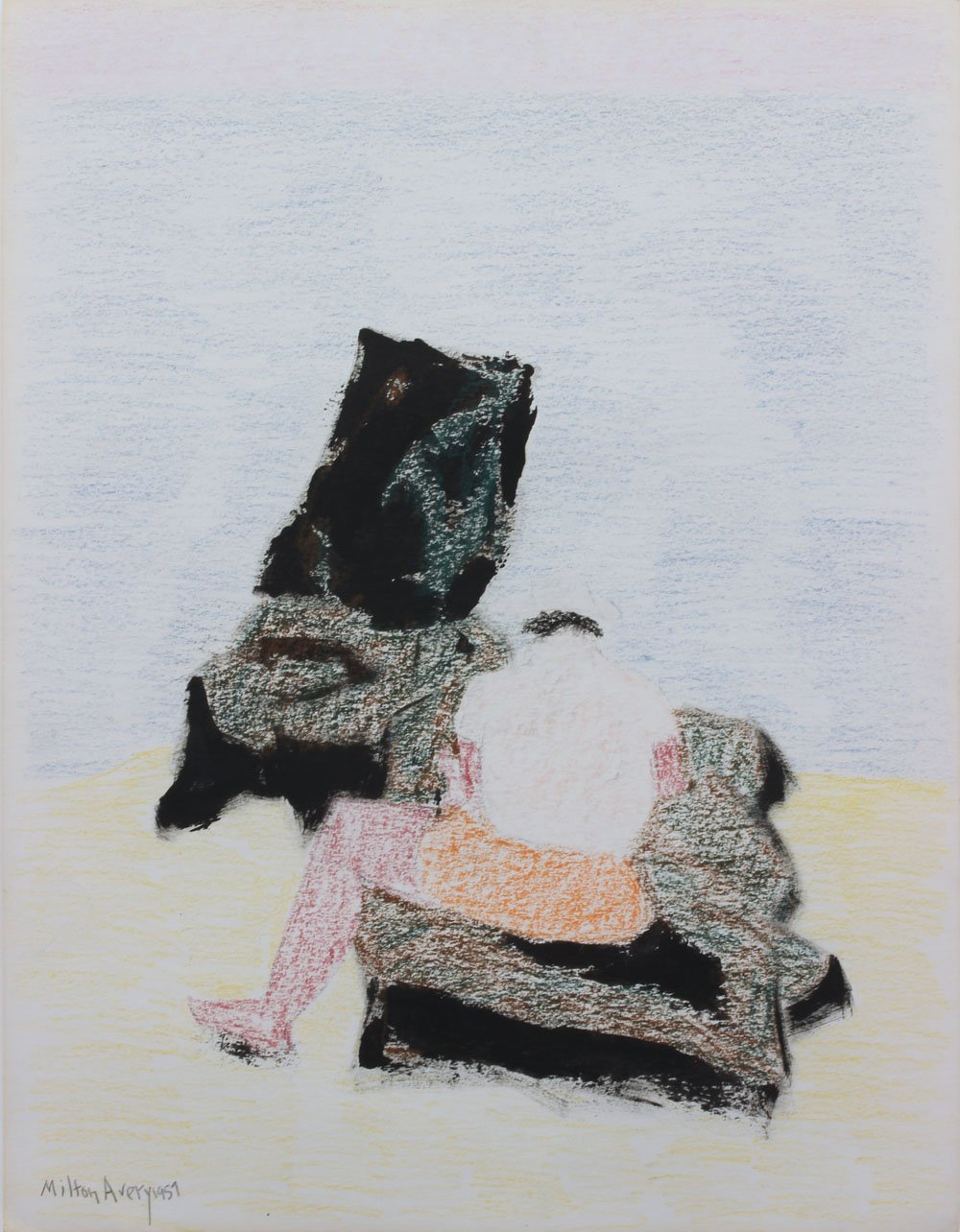
Addison Rowe Gallery at Art on Paper N.Y.
March 2019

Summer Highlights
September 2018
Addison Rowe Gallery at Palm Springs Fine Art Fair
February 2018

Gallery Highlights
July 2017

Emil Bisttram Day
May 2017

Addison Rowe Gallery at Art on Paper New York
March 2017

Addison Rowe Gallery at Palm Springs Fine Art Fair
February 2017

From the Transcendental Painting Group to the Taos Moderns: Florence Miller Pierce and Beatrice Mandelman
December 2016

Louis Catusco and Lawrence Calcagno “Not famous, but important”
August 2016

Addison Rowe Gallery at Art Aspen
August 2016
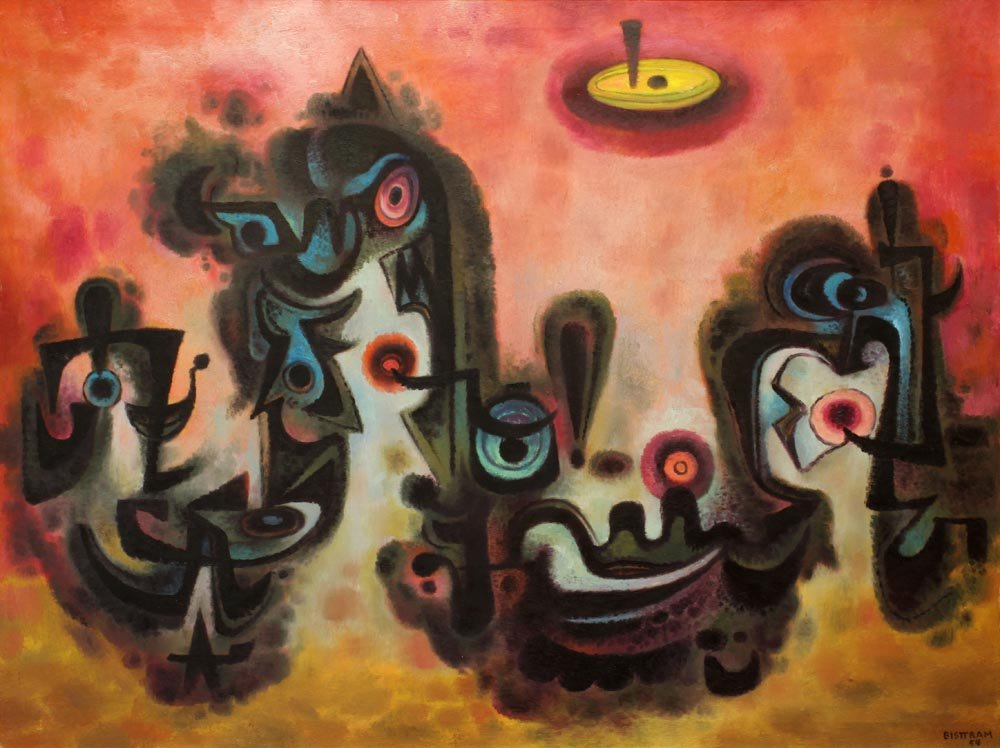
Addison Rowe Gallery at Palm Springs Fine Art Fair
February 2016
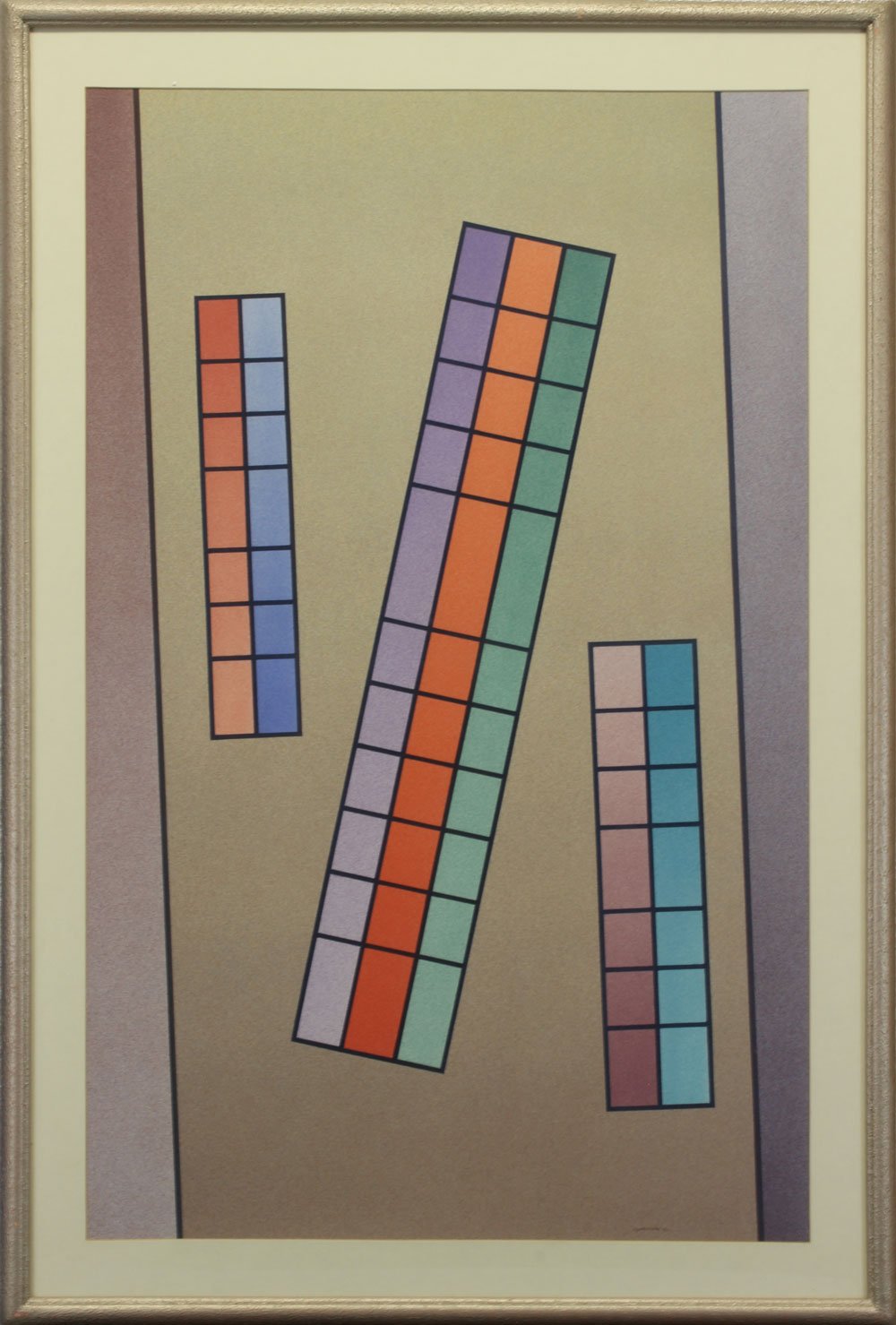
Many Faces of Modernism
December 2015
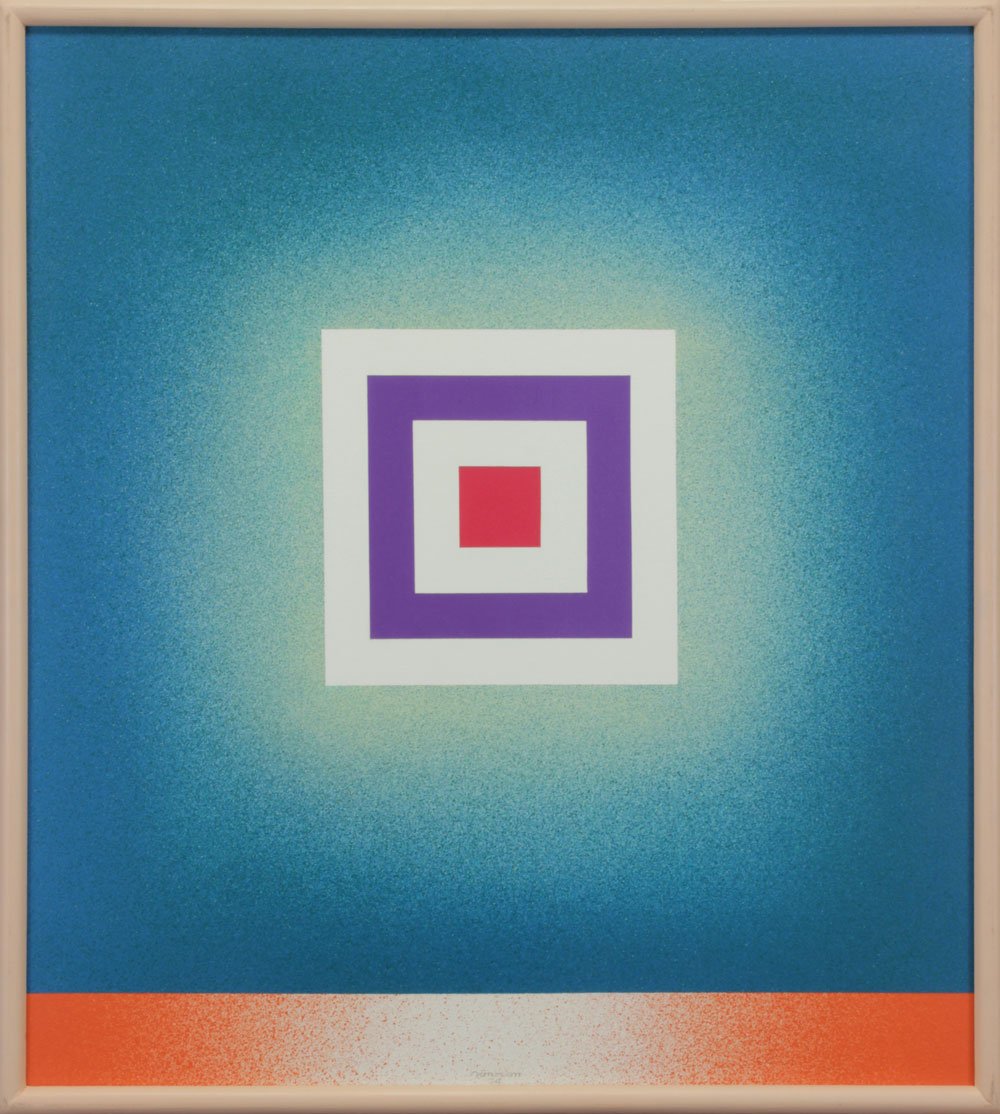
Chromatic Contrasts
August 2015

Emil Bisttram
April 2015

Addison Rowe Gallery at Palm Springs Fine Art Fair
February 2015

Beatrice Mandelman and Louis Ribak
December 2014

Raymond Jonson: Into Abstraction
August 2014